Black Mold?
Don't Take Chances! Call the Top Black
Removal Company in Edmonds and get cleaned up FAST!



Why Choose Us?
- Certified Pros
- Available 24/7/365
- Rapid Response
- Fully Licensed And Insured
- We Work With Your Insurance Company
Call Now (425) 940-4985
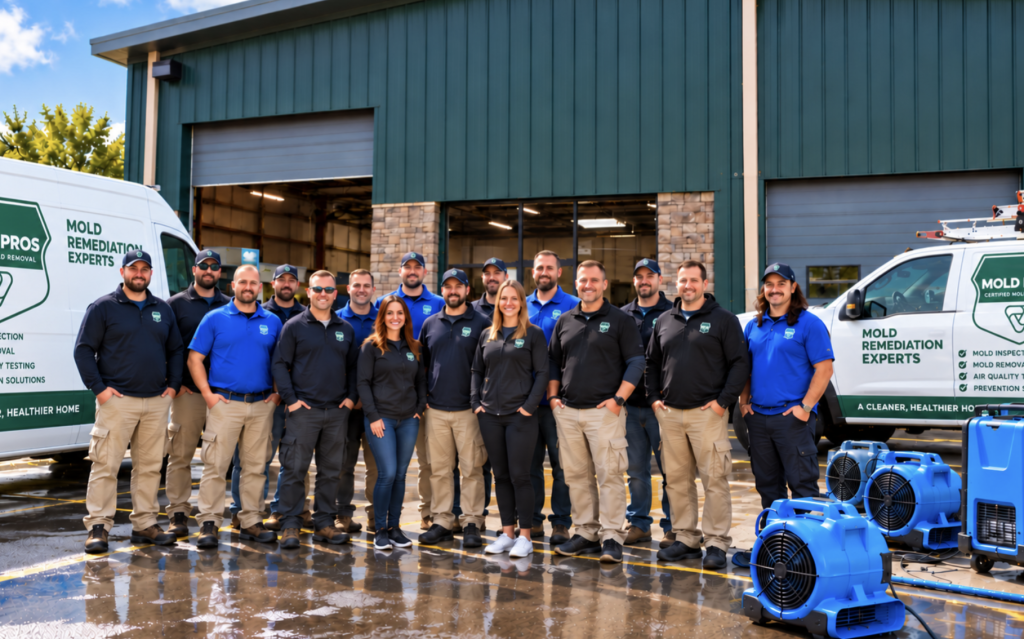
Professional Mold Removal in Edmonds, Washington
Mold cleanup should address the moisture source as well as the visible growth. Our team helps homeowners, landlords, and businesses understand what needs cleaning, what needs removal, and what happens to unaffected areas. Edmonds properties face heavy cool-season rain, wind-driven moisture, high humidity, and crawl-space moisture. Those conditions can affect roofs, siding, windows, foundations, attics, and below-grade rooms. We use a controlled process designed to limit dust and protect the rest of the building.
What happens during professional mold removal?
We begin by reviewing where moisture entered and which materials show damage. That review helps separate surface cleaning from removal of materials that absorbed water or mold growth. We also consider access, ventilation, nearby living areas, and the condition of unaffected building materials. A roof leak, plumbing leak, crawl-space issue, or drainage failure needs attention because cleanup alone will not stop recurring moisture.
Containment uses plastic walls or barriers to keep mold dust from spreading beyond the work area. Workers use protective equipment while removing or cleaning affected materials. HEPA air scrubbers filter fine particles from the air during controlled work. We protect nearby rooms, furnishings, and building surfaces as the work progresses.
Porous materials need special care because they soak up water and hold contamination below the surface. Drywall, carpet, insulation, and some subflooring often require removal when damage reaches their inner layers. Framing, concrete, and tile are less absorbent, so cleaning methods depend on their condition and finish. We avoid treating every material as if it requires the same solution.
What’s Included in Mold Remediation?
Our remediation scope is built around the affected area, the moisture source, and the materials involved. The work focuses on controlled cleanup or removal rather than spreading debris through the building. Residential projects may involve a room, attic, basement, or crawl space. Commercial work requires added attention to occupants, shared air, work schedules, and business operations.
- Work-area containment and protection of nearby unaffected spaces.
- HEPA filtration, careful removal of affected porous materials, and cleaning of suitable hard surfaces.
- Crawl-space drying, basement cleanup, water-damage restoration, and commercial indoor-air-quality services when the conditions call for them.
Attics often require attention to roof leaks, damp insulation, and bathroom or dryer vent problems. Crawl spaces may involve exposed soil, missing vapor barriers, drainage issues, or damp joists and subfloors. Basements can present foundation moisture, plumbing leaks, or flooding concerns. We match the work to the material instead of promising that one treatment fits every area.
What’s Not Included in Mold Remediation?
Mold remediation is not the same as rebuilding a room after damaged materials are removed. Replacing drywall, installing new flooring, painting, repairing cabinets, and completing finish carpentry are separate construction tasks. The need for those tasks depends on what was removed and how the building was damaged. Confirm the reconstruction plan before work begins if the project requires finished surfaces afterward.
- Diagnosing mold species from its color or appearance.
- Independent mold testing or laboratory analysis.
- Repairs to every roof, plumbing, drainage, HVAC, or building-envelope problem causing moisture.
People often use the term black mold for dark-colored growth, but color alone does not identify a species. We focus on moisture control, safe removal, and surface conditions rather than making a species diagnosis. We do not perform mold testing, and independent testing or assessment can help when the extent of a problem needs separate documentation. Our warning signs guide explains testing questions, visible clues, and safe first steps in more detail.
How do Edmonds properties develop recurring mold?
Edmonds has a marine Puget Sound climate with wetter conditions from late autumn through winter. Wind-driven rain can enter through roofs, siding, windows, and doors when flashing, seals, or drainage components fail. Gutters, downspouts, grading, and stormwater problems can also direct water toward foundations and crawl spaces. Properties near shoreline or low-lying drainage areas need special attention after heavy rain or flooding.
Indoor humidity creates another common pathway, especially during the heating season. Condensation can form on cool windows, exterior walls, ducts, and uninsulated pipes. Bathroom and kitchen moisture also lingers when exhaust fans are weak, unused, or not vented outdoors. A simple action today is to check for active leaks, keep furniture away from damp walls, and avoid painting over visible growth.
Some Edmonds mailing addresses sit outside the incorporated city in unincorporated Snohomish County. This matters when drainage, floodplain, permitting, or local service questions involve different agencies. The City of Edmonds Maps and GIS resources can help confirm boundaries and drainage context. Snohomish County resources are useful for county-level flood and unincorporated-area questions.
How does project size affect the work?
Project size depends on affected materials, work-area access, containment needs, and the moisture source. A small isolated area is different from contamination that extends into walls, flooring, insulation, or shared commercial air space. Hidden moisture can also expand the work after materials are opened. An inspection is needed before a final scope and price can be provided.
Actual mold remediation costs vary based on affected materials, work-area size, containment needs, access, and the moisture source. A crawl-space project may require different controls than a bedroom cleanup or basement water-loss project. Commercial properties may need work staged around employees, customers, classrooms, residents, or patient areas. We explain the work area and material decisions before cleanup starts.
Job length also follows the scope rather than a fixed promise. Removal, drying, cleaning, air filtration, and clearance of the work area each affect the schedule. Active water should be stopped promptly, and wet materials should not remain closed up. If a sewage backup or flood has occurred, avoid handling contaminated materials until the area has been assessed.
Credentials and responsible hiring in Washington
Edmonds Mold Remediation Pros is IICRC certified, and we are in good standing with the BBB. Those credentials provide useful background, but they do not replace questions about the specific work area. Washington Department of Health guidance recommends checking whether a contractor is licensed, bonded, and insured. You can also use the Washington Labor and Industries contractor verification tool to review registration information.
Ask who will control dust, how affected materials will be handled, and what happens if hidden moisture is found. You should also ask which repairs are part of remediation and which repairs require another trade. Keep records of leaks, flooding, photographs, and completed drying work for your property file. Health concerns should be discussed with a medical professional or a public-health authority such as Snohomish Health District.
If you have visible growth, damp materials, or a recent water loss, call (425) 940-4985 to discuss the affected area with our team. We will ask what happened, where moisture was found, and which materials appear involved. We can then explain what information is useful before an inspection and what to avoid disturbing. If active water is present, shut off the source when it is safe to do so and keep people away from contaminated areas.
Frequently Asked Questions
Can mold grow in an Edmonds crawl space?
Yes, crawl spaces can stay damp because of exposed soil, poor drainage, missing vapor barriers, or limited airflow. Persistent rain and high outdoor humidity add moisture pressure during the wetter part of the year. Damp joists, subfloors, and insulation may need different handling. The moisture source should be addressed along with any affected materials.
Is dark mold automatically dangerous black mold?
No, color does not identify a mold species. Dark growth is often called black mold in everyday conversation, but appearance alone cannot confirm what it is. Cleanup decisions should focus on the extent of growth, the material, and the moisture condition. A doctor or public-health professional can address personal health questions.
Can I clean mold myself?
Small surface areas on suitable hard materials are sometimes manageable with careful cleaning and moisture control. Larger areas, porous materials, hidden growth, sewage contamination, and crawl-space conditions create greater risks. Do not disturb extensive growth or remove contaminated materials without planning containment. Professional help is useful when the source, extent, or material condition is uncertain.
Will cleaning stop mold from returning?
Cleaning alone does not stop recurrence if moisture continues entering the building. Roof leaks, failed flashing, clogged gutters, plumbing leaks, condensation, and crawl-space moisture all need attention. Keep indoor humidity controlled and dry wet materials quickly after a leak. A recurring problem should prompt a review of the building envelope and drainage conditions.